Applications

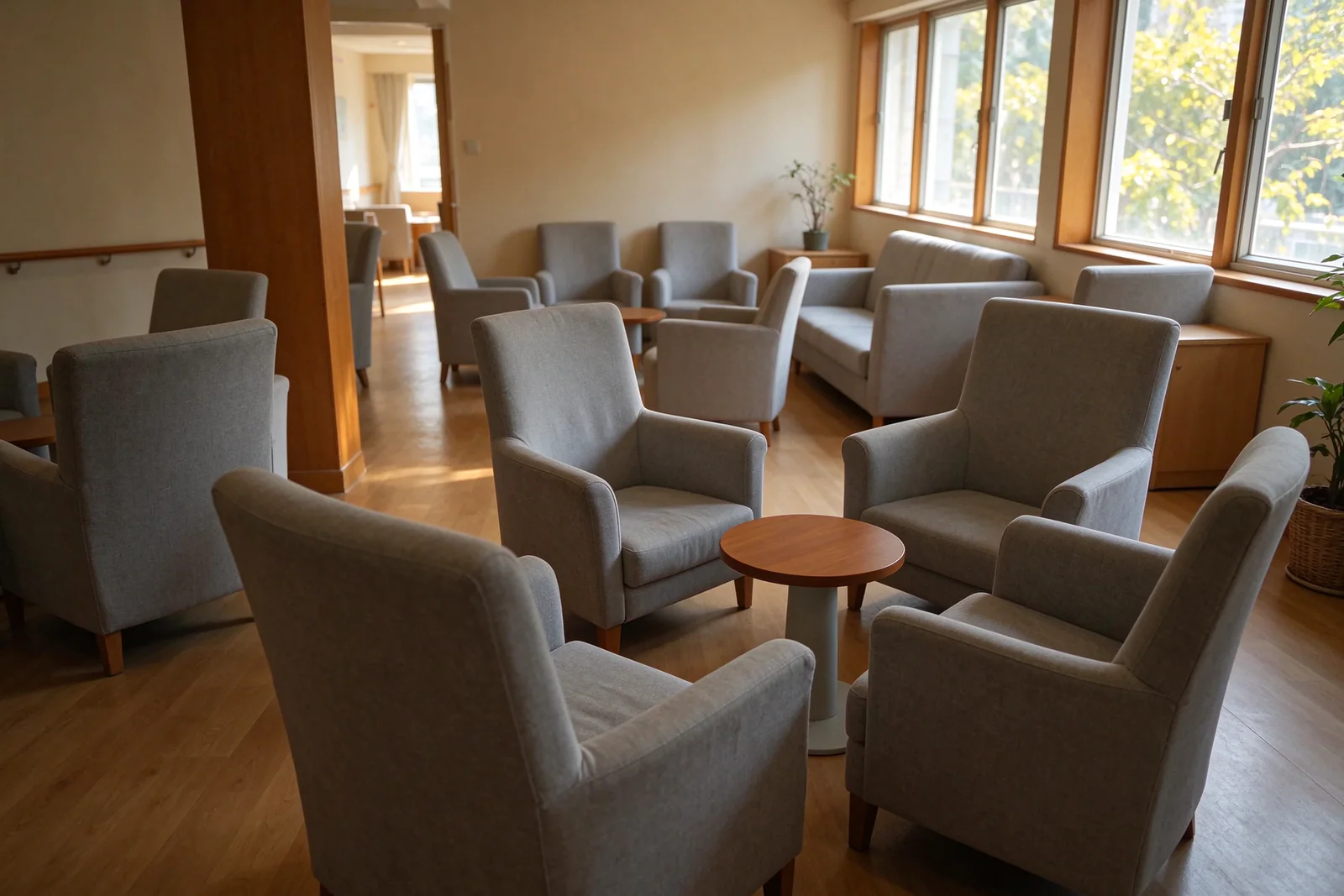
Special schools, care homes, rehabilitation centres: three different daily realities.

A device looks fine in a showroom. The test is a narrow corridor, a tight schedule and a therapist with only two hands. These are the questions we hear most, and how we answer them.

01 / Special schools

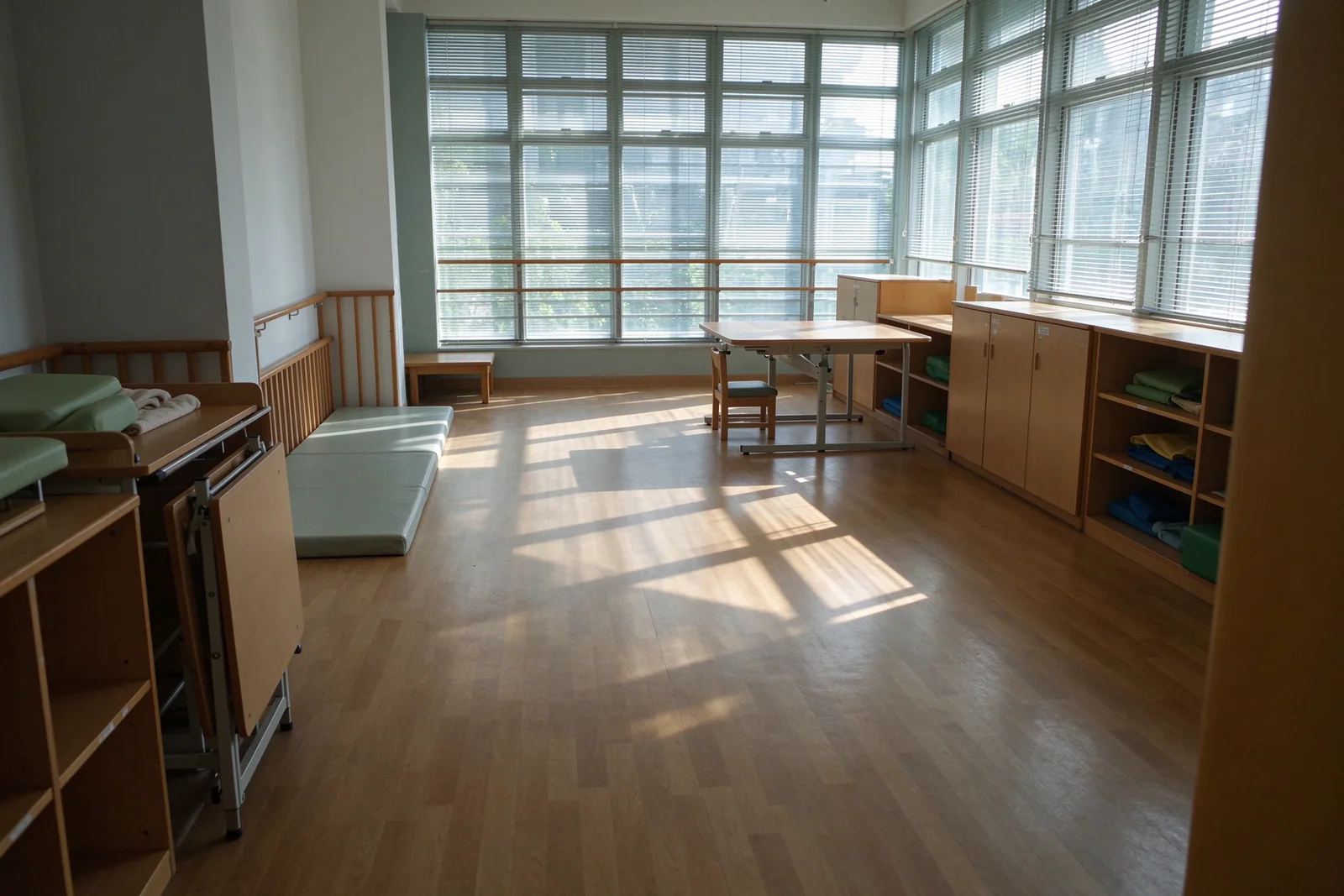
A thirty-minute session cannot start with ten minutes of strapping.

The training room schedule is cut into short blocks, and students vary widely in height. X1’s quick-release straps allow donning from a seated position, and the frame spans 130–185 cm, so one session can serve students from different classes.

  • Donning while seated, no need to stand assisted
  • One therapist can operate and record
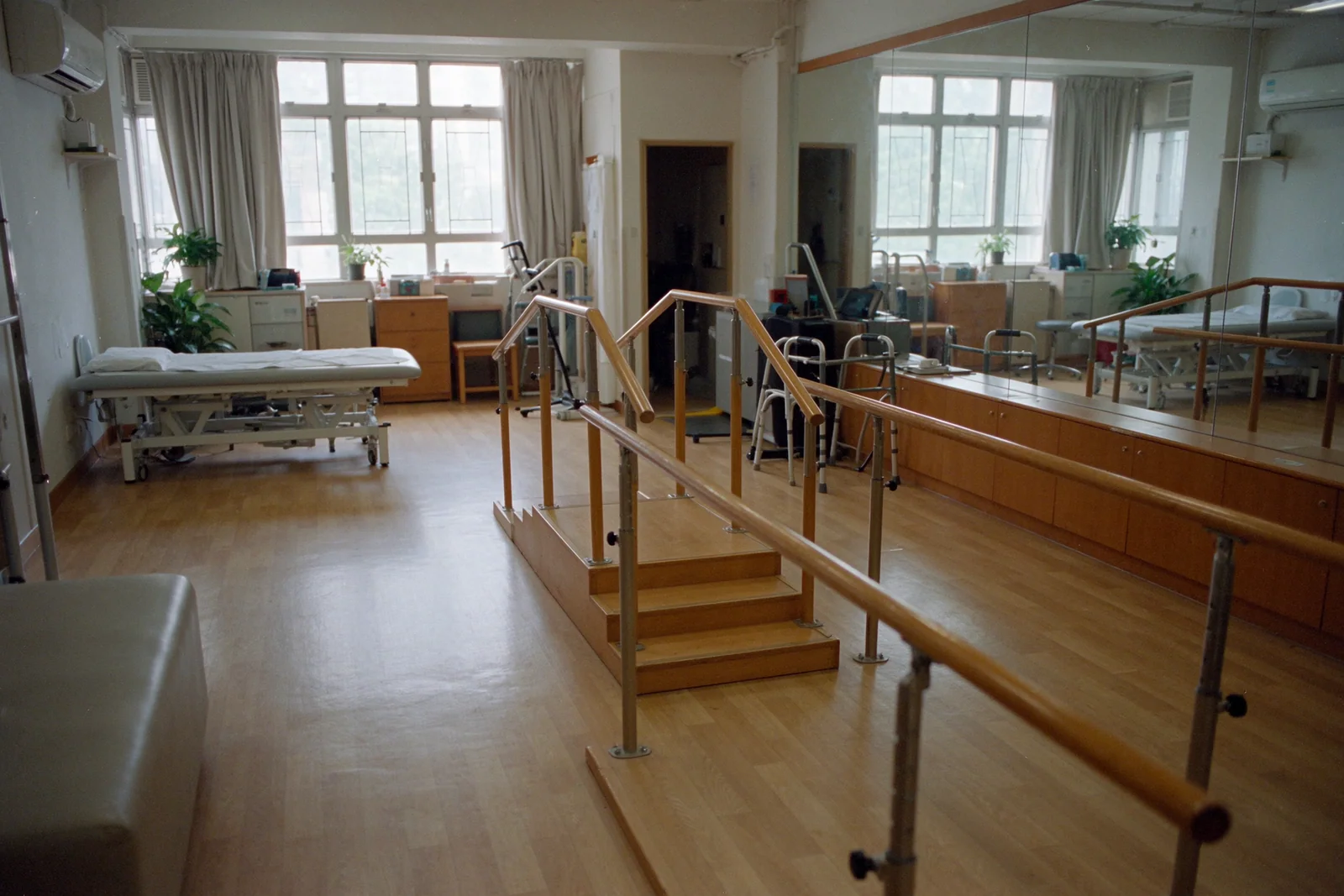
  • Works alongside existing parallel bars and rails
A thirty-minute session cannot start with ten minutes of strapping.

02 / Care homes

The carer’s back is the most overlooked piece of equipment.

Daily repetitive transfer is the main source of injury in care homes. W2 gives the lift to a powered column and actuators, leaving one carer to check position and safety.

  • 0–85° progressive standing for gradual adaptation
  • Three seat widths across body types
  • Mechanical limits and rear anti-tip bars
The carer’s back is the most overlooked piece of equipment.

03 / Rehabilitation centres

Give the therapist’s energy back to assessment and decisions.

Walking practice after stroke or spinal injury needs volume, and therapists often spend the whole morning supporting body weight. X1 and H3 let the therapist stand to the side, adjust assistance from a remote, and keep their strength for assessment and manual work.

  • Assistance curves set per case
  • Session data exported for review
  • Lower limb and hand training combined
Give the therapist’s energy back to assessment and decisions.

How institutions adopt it

From first call to installed device, in four steps.

No tender documents needed to start. The first step is a call about your caseload.

01

Enquiry

Tell us your caseload, ability range and current equipment.

02

On-site demo

We bring the device to you for about 45 minutes of hands-on use.

03

Fitting and training

Parameters set to your users’ height and ability, with therapist training.

04

Trial or purchase

Start with a four-week trial, then decide with a written usage report.

Bring the device into your actual room.

We will check the space, the doorway and the power supply before promising anything.