01
Consistent repetition
Gait training depends on volume and consistency. The device does not drift on the twentieth repetition because someone is tired.
Rehabilitation exoskeletons · Hong Kong
Lower-limb and hand exoskeletons designed for special schools, care homes and rehabilitation centres. The device carries the repetitive, physically demanding part of training, so therapists can spend their time on assessment, adjustment and presence.
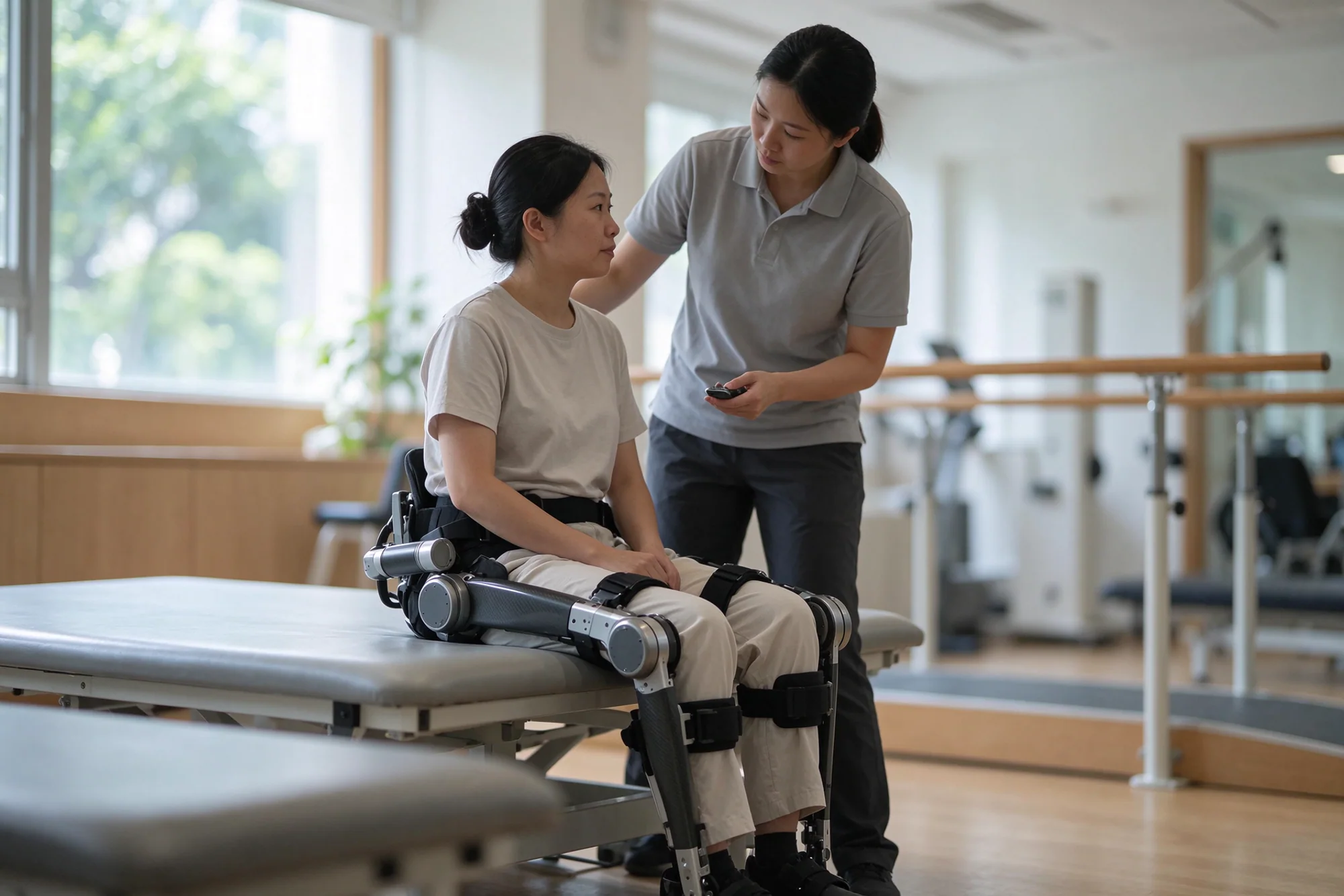 Therapy room, Hong Kong
Structured gait practice inside the school training room, with a frame that adjusts from secondary-school to adult height.
Standing and transfer are shared with the device, reducing the daily lifting load on carers.
Assistance is tuned live by the therapist, who can watch the gait and record progress at the same time.
Why an exoskeleton
Rehabilitation equipment is not judged in a showroom. It is judged at 4pm on a Friday, with three more users waiting.
01
Gait training depends on volume and consistency. The device does not drift on the twentieth repetition because someone is tired.
02
The therapist adjusts assistance from a remote instead of standing behind the user to support the body.
03
Steps, standing angle and duration can be exported as evidence for case reviews and procurement.
04
Height, seat width and assistance all adjust, so fewer units are bought for individual students or residents.
The range
One control logic throughout: the therapist sets it, the device executes, the session is recorded. Institutions can start with the model that fits their caseload.
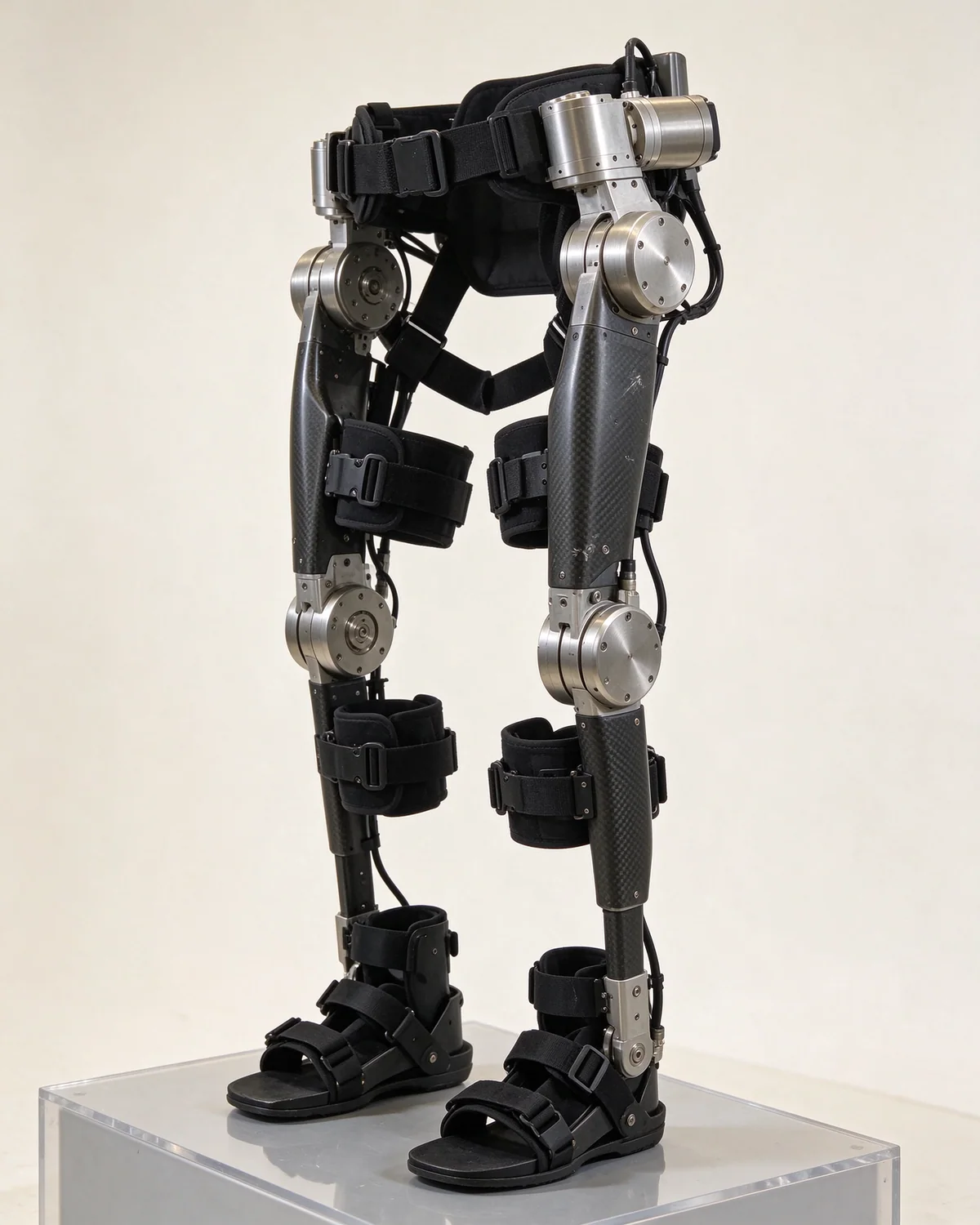 X1
Lower limb · Sit-to-stand & gait
The device carries the repetitive sit-to-stand and walking practice; the therapist focuses on adjustment and observation.
View model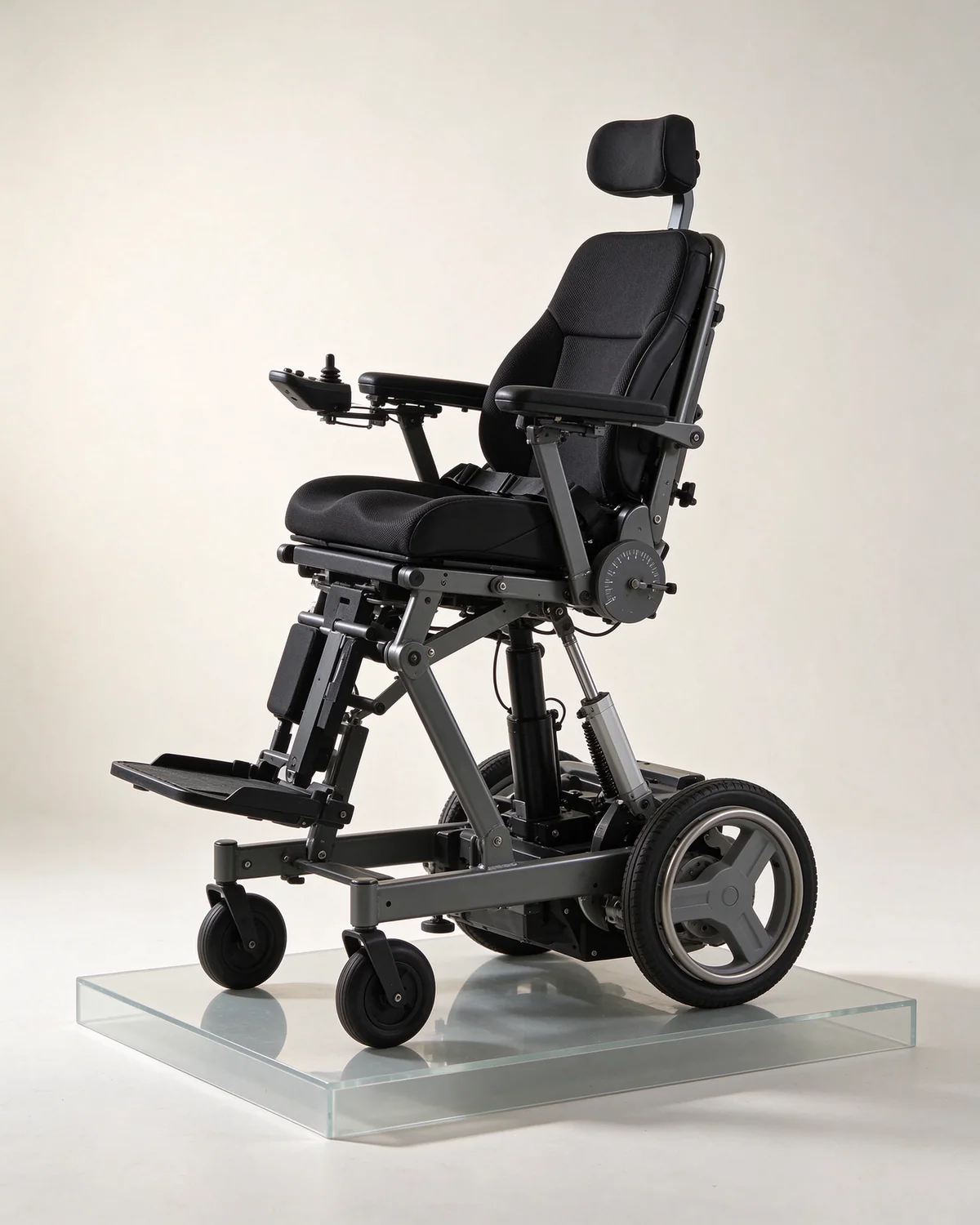 W2
Transfer · Standing & mobility
From sitting to standing, from bed to chair, with one carer beside.
View model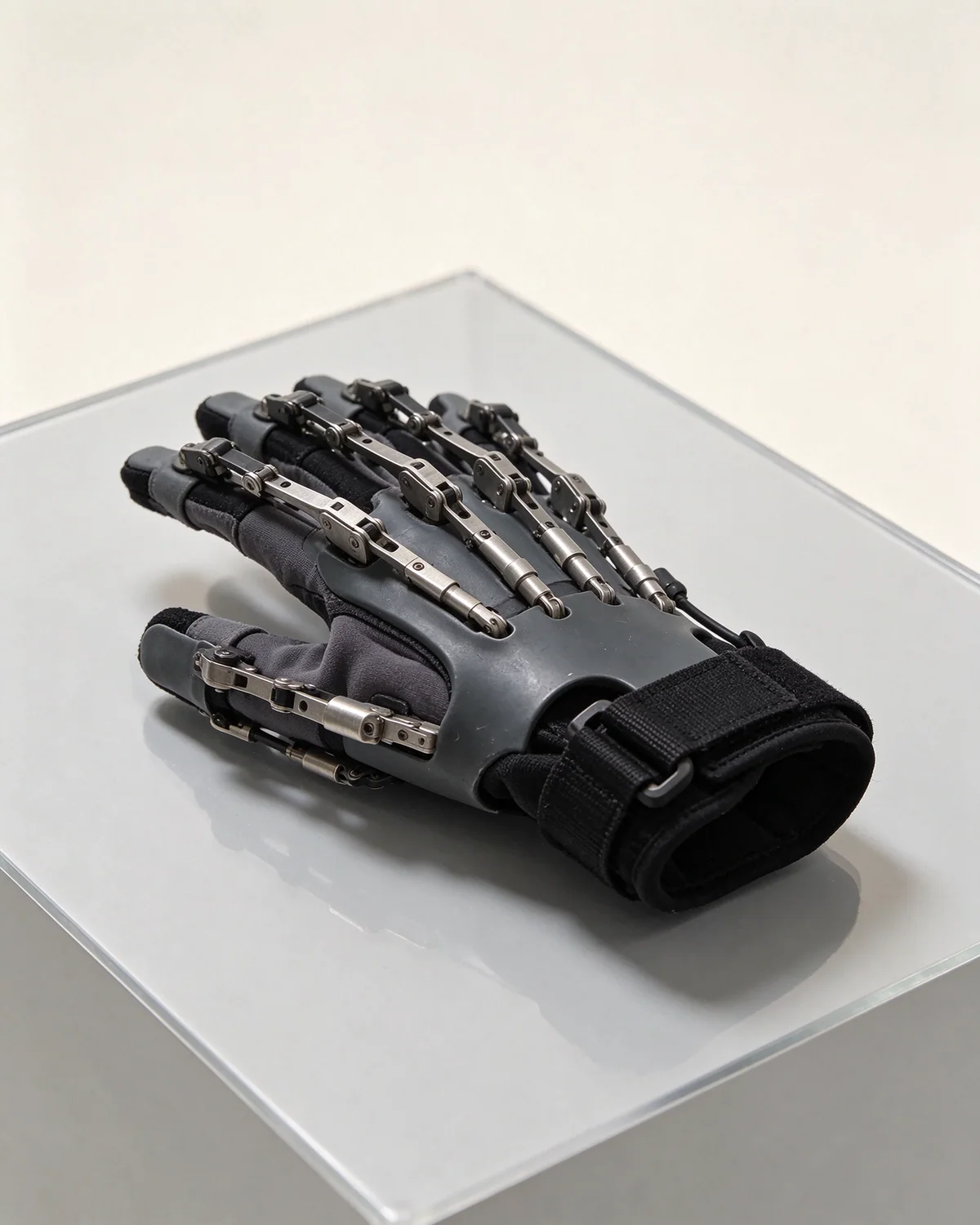 H3
Upper limb · Hand function
Repetitive hand practice, turned into a recordable course of therapy.
View modelApplications
Three settings, three different constraints. The device is the same; the way it is used is not.
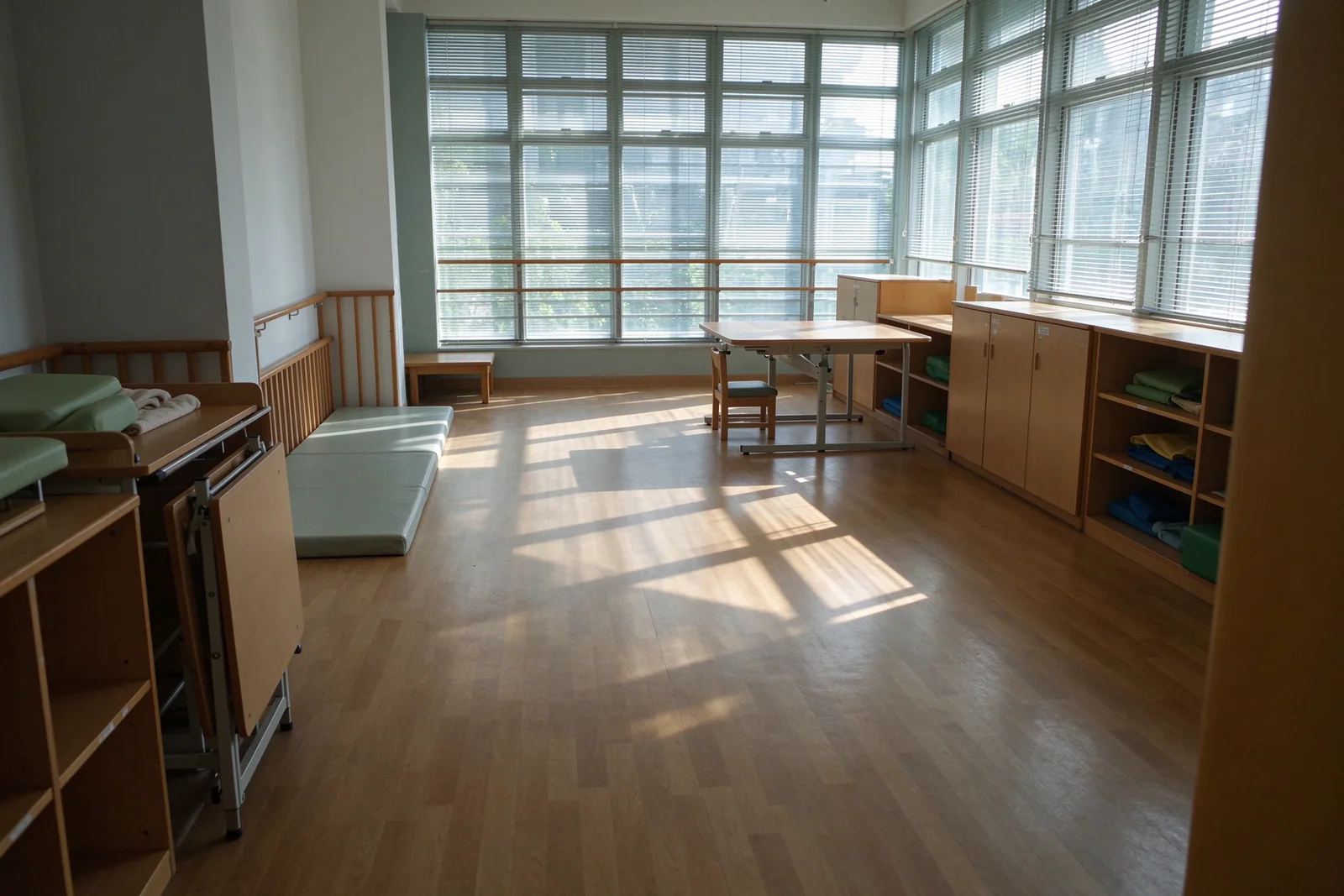
01 / Special schools
The training room schedule is cut into short blocks, and students vary widely in height. X1’s quick-release straps allow donning from a seated position, and the frame spans 130–185 cm, so one session can serve students from different classes.
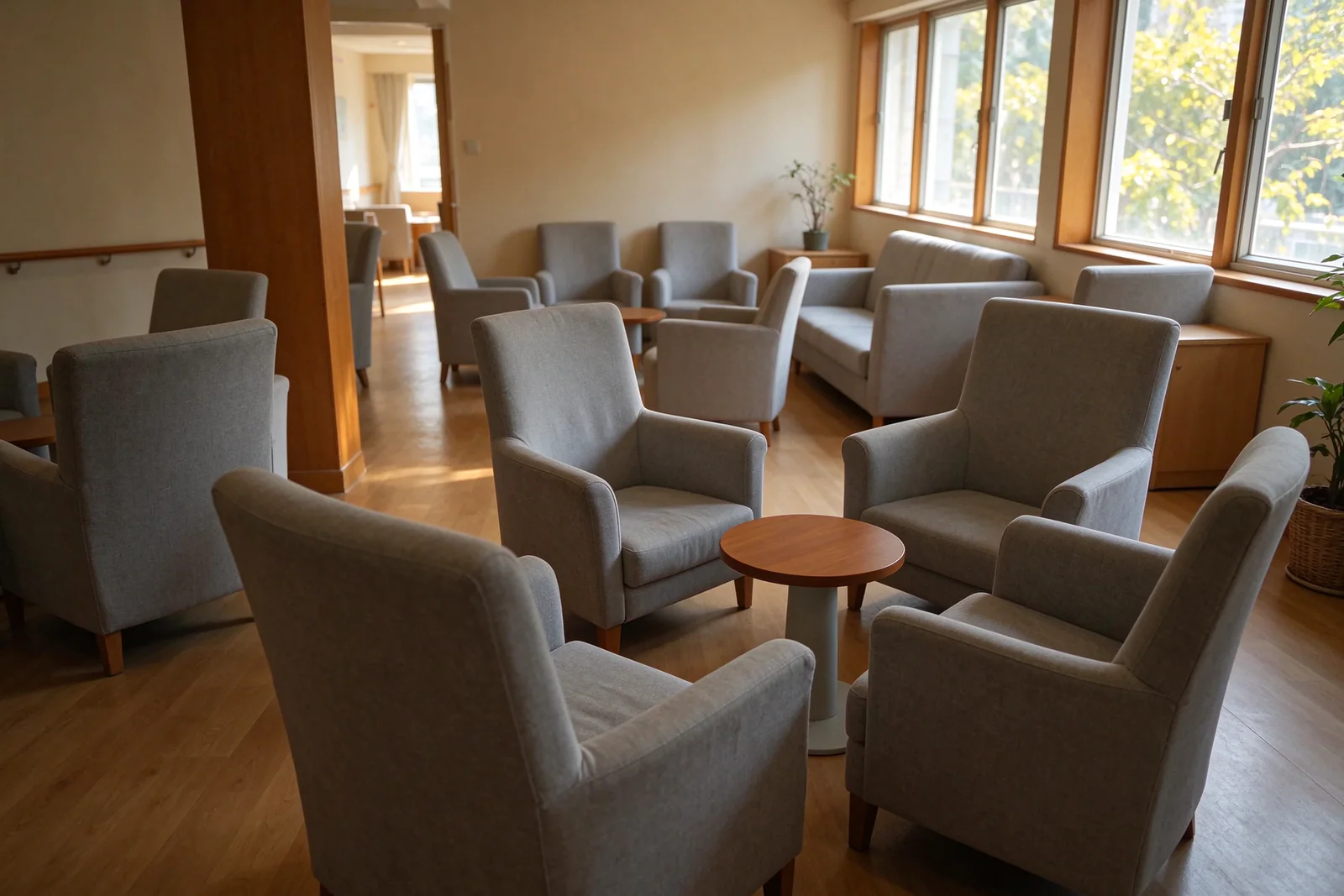
02 / Care homes
Daily repetitive transfer is the main source of injury in care homes. W2 gives the lift to a powered column and actuators, leaving one carer to check position and safety.
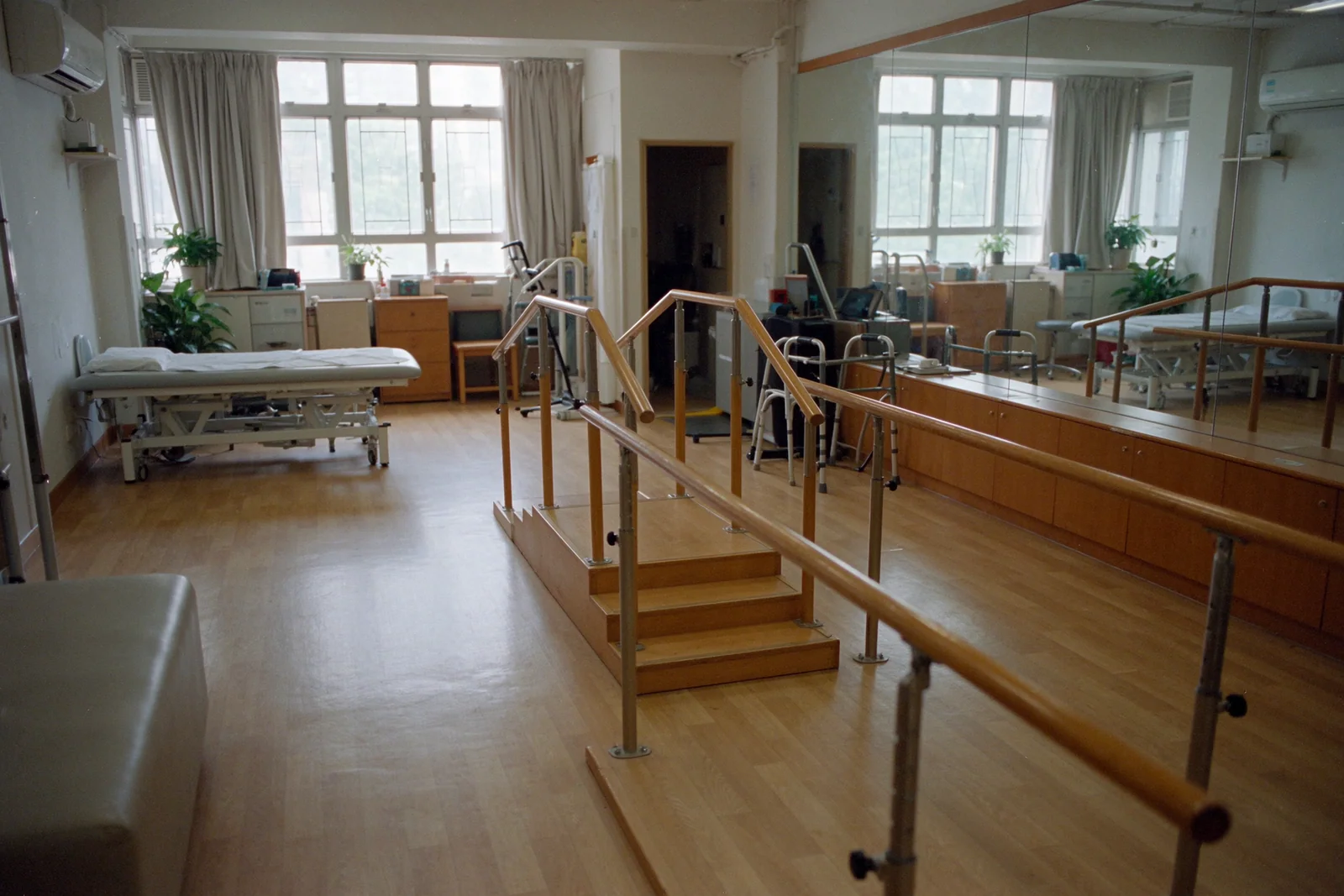
03 / Rehabilitation centres
Walking practice after stroke or spinal injury needs volume, and therapists often spend the whole morning supporting body weight. X1 and H3 let the therapist stand to the side, adjust assistance from a remote, and keep their strength for assessment and manual work.
Cases and pilots
We have no named partner cases to publish yet. Rather than borrow someone else’s facility photos, we would rather you become one of the first pilot sites: four weeks of use, one written report, and training you keep.
01
Tell us your institution type, caseload and the model you want to try.
02
We visit to review space, circulation and power, then confirm the model and settings.
03
Therapists use it in their normal routine; we collect usage records and feedback weekly.
Safety and design
Every claim on this page is a design feature you can check on the device, not a certification we have not obtained.
Joint range is bounded by hardware, not by software judgement.
The user can release the straps at any time without waiting for assistance.
Assistance changes require the therapist; the user cannot increase assistance independently.
Joint modules are replaceable on their own, so routine service does not require shipping the whole unit.
About 45 minutes: donning, sit-to-stand, remote control and safety release, all tried hands-on by your therapists.